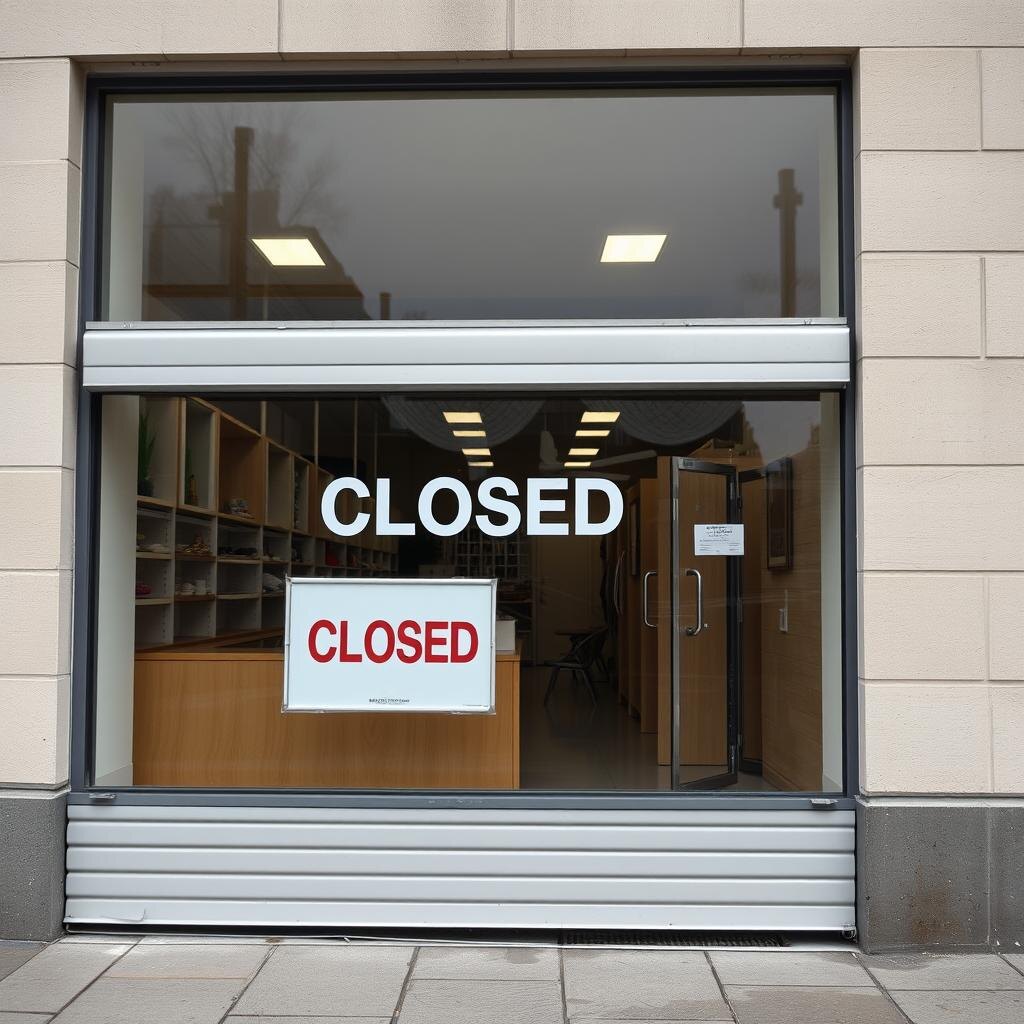
The Bill That Doesn't Stop When the Sales Do
Most smoke shop owners insure the obvious things — the building, the display cases, the inventory of glass, vapes, and tobacco behind the counter. What they rarely insure is the one thing that actually pays the bills: the daily flow of customers walking through the door.
When a fire, a burst pipe, or a smash-and-grab burglary forces you to close, your revenue drops to zero overnight. Your obligations do not. Rent is still due on the first. Payroll still has to be made if you want your staff to come back. The note on your build-out, your distributor invoices, your loan payments — all of it keeps marching forward whether your register rings or not. That gap between zero income and continuing expenses is exactly what business interruption coverage (also called business income coverage) is built to close.
What Business Interruption Actually Pays
Business interruption is not a single payout. It is a category of coverage that responds to lost operations after a covered physical loss. For a smoke or vape shop, the meaningful pieces are:
- Lost net income. The profit you would reasonably have earned during the shutdown, calculated from your historical sales records. This is the core of the coverage and the reason it exists.
- Continuing operating expenses. Fixed costs that don't pause when you close — rent, lease payments, loan obligations, utilities you still have to keep on, and key payroll you choose to retain so you don't lose trained staff.
- Temporary relocation costs. If you can keep selling from a pop-up location, a kiosk, or a second storefront while repairs happen, this helps cover the extra expense of operating somewhere else.
- Extended business income. Sales rarely snap back to normal the day you reopen. This extension covers the recovery period after the doors reopen but before your customer traffic returns to pre-loss levels — often 30 to 90 days for a neighborhood retailer.
The critical point: business interruption is triggered by a covered direct physical loss to your property — fire, water damage, vandalism, theft-related damage. It does not, on a standard policy, respond to a voluntary closure or a market slowdown. That trigger requirement is why the underlying property coverage and the business income coverage need to be written and reviewed together.
Why Single-Location Shops Are the Most Exposed
A chain with eight stores can absorb one location going dark. The other seven keep the lights on. A single-location smoke shop has no such cushion. When that one storefront closes, 100% of revenue stops while 100% of obligations continue. That concentration of risk is precisely why independent retailers — the heart of this industry — need business interruption coverage more than the multi-unit operators do, not less.
Smoke shops also carry elevated physical-loss exposure. Lithium-ion vape batteries are a real fire-load. High-value, easily-resold inventory makes shops a frequent burglary target. Both of those are the events most likely to trigger a long closure.
A Concrete Example
Picture a shop doing $45,000 a month in sales with about $9,000 in monthly net profit and $11,000 in fixed costs (rent, a manager's salary, a build-out loan, and utilities). A late-night fire from a faulty charging display damages the interior and triggers a four-month closure for repairs and re-inspection.
Without coverage, the owner eats roughly $44,000 in fixed costs over those four months with zero income, plus the lost profit, plus a slow ramp-back once reopened. For most independent shops, that is a business-ending number. With a properly sized business income policy, the carrier replaces the lost net income, covers the continuing expenses, and the extended-recovery extension carries the shop through the months it takes for regulars to return.
How to Size the Limit and the Restoration Period
Two numbers decide whether your coverage actually works:
- The limit. Base it on a realistic 12-month projection of net income plus continuing expenses — not last year's worst month. Pull your profit-and-loss statements and build the figure from real records, because that is exactly what the adjuster will use to verify a claim.
- The restoration period. This is the length of time the policy will pay. For a smoke shop, factor in not just construction time but permit delays, equipment lead times, and the reality that tobacco and vape licensing inspections can add weeks before you are legally allowed to reopen. A period that is too short leaves you exposed at the worst possible moment.
Also confirm whether your policy has a waiting period (often 48–72 hours) before coverage kicks in, and whether the extended business income extension is included or needs to be added.
Don't Wait for the Smoke to Clear
Business interruption is the coverage owners regret skipping only after it's too late to buy. Contractors Choice Agency works specifically with smoke shop, vape, and tobacco retailers and can structure a business income limit and restoration period sized to your real numbers — not a generic template.
Call 844-967-5247 to review your current policy and find out what your shop would actually collect if the doors had to close tomorrow.