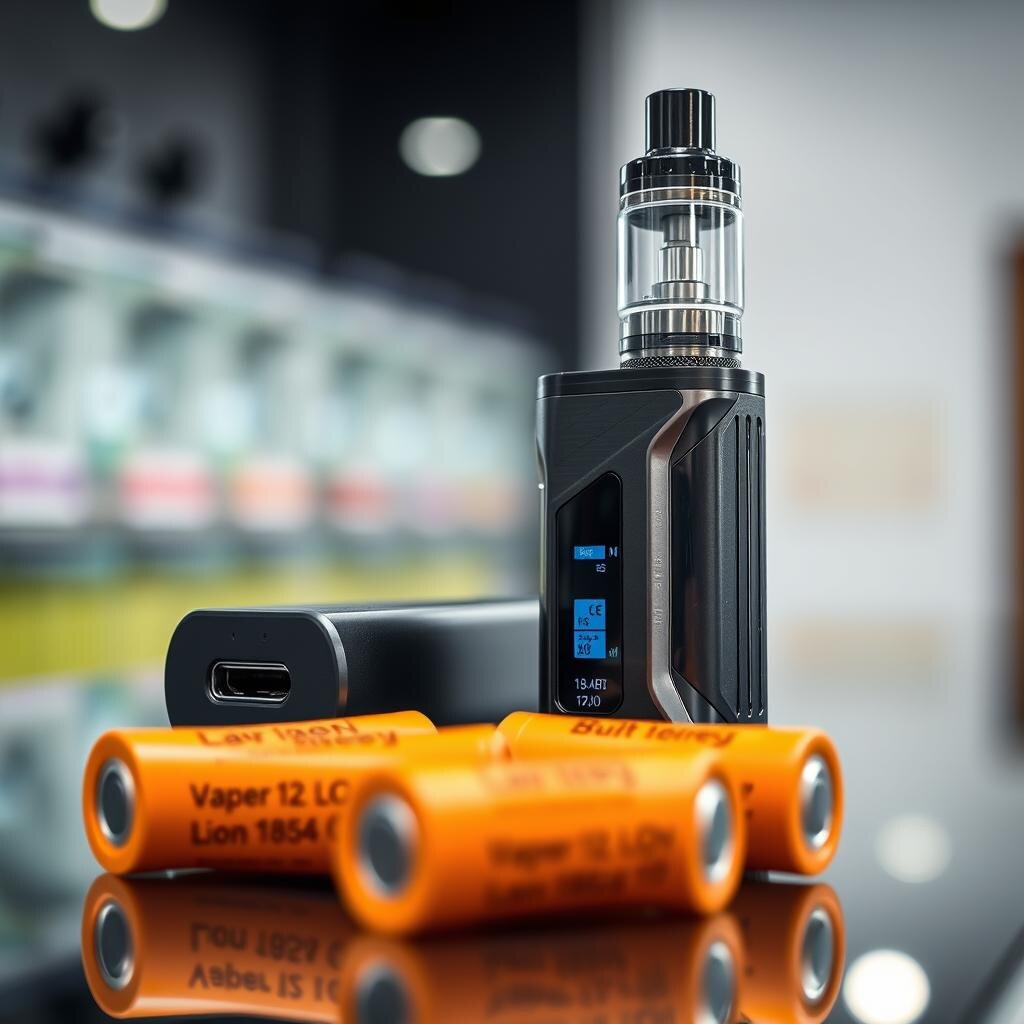
The Battery You Sold Is a Lawsuit Waiting to Happen
You didn't design the cell. You didn't assemble the mod. You didn't write the spec sheet. You bought a case of devices and 18650 batteries from a distributor and put them on your shelf — like thousands of other smoke and vape shops do every day. And yet, when one of those lithium-ion batteries vents, overheats, and ignites in a customer's pocket, your shop's name is the one on the lawsuit.
This isn't a rare scenario. Lithium-ion cells store enormous energy in a small package, and when they fail — through a manufacturing defect, a damaged wrap, contact with keys or coins, or improper charging — they can enter "thermal runaway." That means rapid, self-sustaining heating that ends in a violent vent, fire, or explosion. The injuries are real and severe: deep thigh and groin burns, hand and facial trauma, and in some cases surgery and permanent scarring. When that happens, the injured person and their attorney start looking for someone to pay.
"Seller in the Stream of Commerce" — Why the Retailer Gets Named
Here's the legal reality most shop owners never hear until they're served papers. Under product liability law in most states, everyone in the chain of distribution can be held liable for a defective product — not just the manufacturer.
- Strict liability applies to sellers. A plaintiff generally does not have to prove you were careless. They only have to prove the product was defective and that it caused harm. As the retailer who placed it "in the stream of commerce," you're squarely in scope.
- The manufacturer is often unreachable. Many vape devices and bare cells are produced overseas by companies with no U.S. presence, no registered agent, and no assets a court can touch. When the maker can't be served or collected from, the retailer becomes the deep pocket — sometimes the only defendant left standing.
- The distributor may point at you. Indemnification agreements get tested in litigation, and they don't always hold up. You can be left defending a claim you assumed someone else owned.
In plain terms: the person who made the defect may be a ghost, but you have a storefront, a bank account, and an address. That's who gets sued.
Failure-to-Warn: The Claim You Didn't See Coming
Even when the device itself isn't defective, retailers face failure-to-warn claims. The argument is that the shop knew (or should have known) the risks of loose batteries, mismatched chargers, and counterfeit cells — and didn't adequately warn the buyer.
- Loose 18650 cells carried in a pocket with metal objects are a classic ignition source. Did anyone tell the customer to use a plastic case?
- Mismatched amperage and chargers can overstress a cell. Was the buyer warned to match the battery to the device's draw?
- Counterfeit or rewrapped batteries with inflated capacity ratings circulate widely. Did your shop unknowingly resell one?
Plaintiffs' attorneys build cases around what was said — and not said — at the point of sale. Good signage and staff training help, but they don't make you lawsuit-proof.
Why a Generic BOP Won't Save You
Many owners assume their Business Owner's Policy (BOP) has them covered. It usually doesn't. Standard BOPs and general liability forms frequently exclude vapor products, e-liquids, and lithium-ion batteries, or sublimit them into near-uselessness. Carriers know the loss history. If your policy wasn't written specifically for a smoke and vape retailer, a battery-fire claim may be denied outright — leaving you to fund the defense and any judgment yourself.
How Product Liability Coverage Actually Defends You
Dedicated product liability insurance built for this industry does two critical things:
- Pays for your legal defense. Even a meritless suit costs tens of thousands in attorney fees. Defense costs alone can sink a small shop. Coverage means a lawyer fights for you on the carrier's dime.
- Pays settlements and judgments up to your limits when a covered claim succeeds — so a single burn injury doesn't end your business.
This coverage is designed to respond exactly when a generic policy walks away: when you're the seller in the stream of commerce and the manufacturer is nowhere to be found.
Protect Your Shop Before the Claim Arrives
You can't control how an overseas factory built a battery — but you can control whether your business survives the lawsuit. Contractors Choice Agency writes product liability and full-stack coverage specifically for smoke shops, vape stores, and tobacco retailers who carry the exact products generic carriers run from.
Call 844-967-5247 for a free, no-pressure quote and find out whether your current policy would actually defend you — before you need it to.