The Products Driving Your Margin Are Also Driving Your Risk
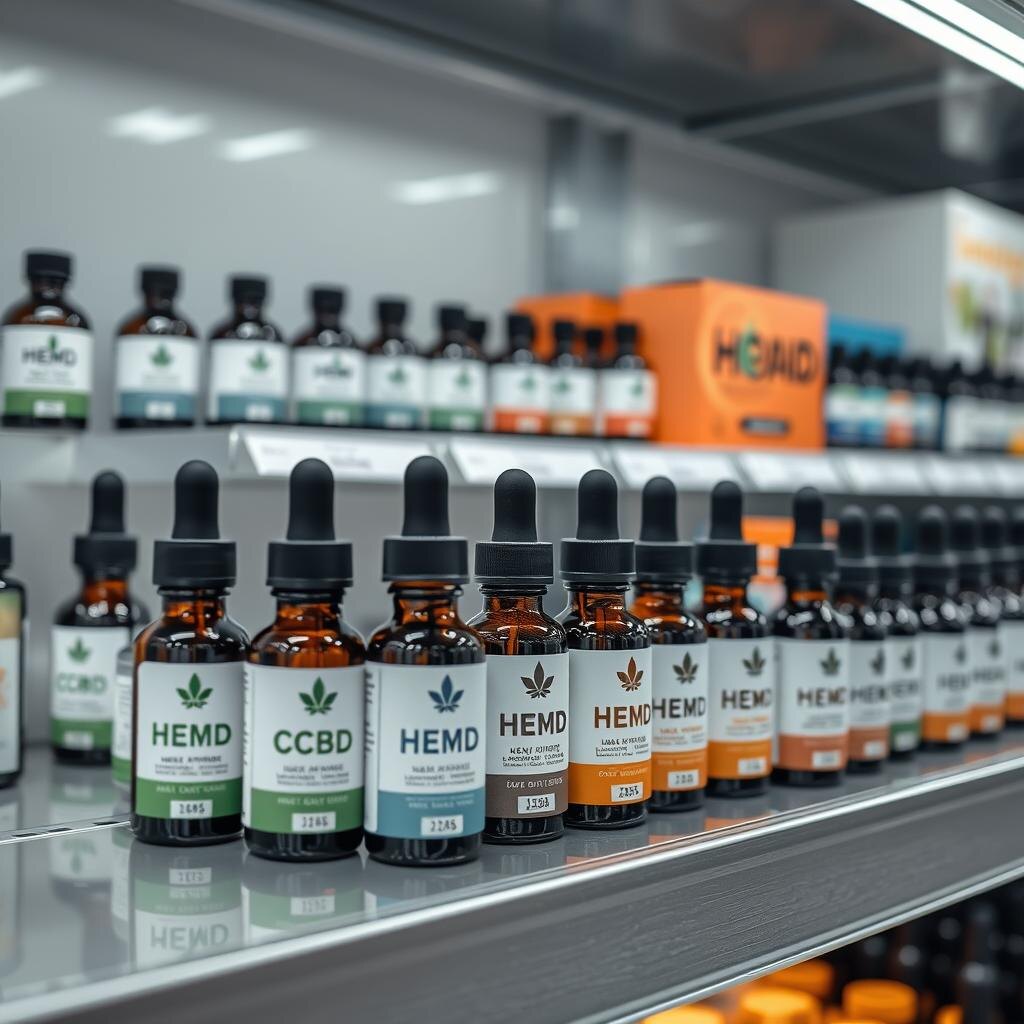
Walk into almost any smoke shop today and the highest-margin shelf isn't glass or lighters — it's the wall of CBD tinctures, kratom powders, Delta-8 gummies, and disposable nicotine vapes. These product lines saved a lot of independent retailers when traditional tobacco margins thinned out. They also quietly carry the single most underestimated liability exposure in the entire store.
The problem is regulatory. CBD, kratom, and hemp-derived cannabinoids like Delta-8 occupy a gray zone where federal law, state law, and FDA enforcement don't line up. Something legal to sell in one state is banned in the next. Labeling rules shift. The FDA has issued warning letters over health claims and contamination. When the legal status of a product is unsettled, the liability that comes with selling it is anything but — and a generic retail policy is often written as if those products aren't on your shelves at all.
Product Liability for Things People Ingest and Inhale
Selling a pipe is one risk profile. Selling something a customer swallows, vapes, or applies to their skin is an entirely different one. Ingestible and inhalable products carry bodily-injury exposure that lighters and rolling papers never will:
- Contamination and adulteration claims. Kratom and CBD are supplements you don't manufacture, but as the retailer you sit in the chain of distribution. If a product is contaminated with heavy metals, salmonella, or undisclosed synthetics, an injured customer's lawyer names everyone who touched it — including the shop that sold it.
- Mislabeling and potency claims. A Delta-8 product labeled "0% THC" that tests otherwise, or a CBD oil with a potency that doesn't match the label, opens the door to misrepresentation and consumer-protection claims. Vape products with undisclosed nicotine levels carry the same exposure.
- Health-claim liability. If in-store signage or staff suggest a product "treats anxiety" or "helps you quit," you've stepped into territory the FDA actively polices — and created a claim a plaintiff can point to.
- Failure-to-warn allegations. Kratom in particular has been the subject of dependency and adverse-event litigation. Retailers have been pulled into these suits.
Product liability is what responds when a customer alleges a product you sold caused them harm. The catch is whether your specific product lines are actually covered.
Why Standard Policies Quietly Exclude These Lines
Here is the trap. Many general liability and BOP policies written for "retail stores" contain exclusions for tobacco, vaping, CBD, hemp, and nutritional-supplement products — sometimes buried in the fine print, sometimes added by endorsement. The shop owner thinks they're covered because they have "a policy." They aren't, because the policy specifically carves out the products generating most of their revenue and most of their risk.
Worse is the non-disclosure problem. If you don't tell your carrier you sell kratom, Delta-8, or vapes — or you let them assume you're a generic gift shop — you create grounds for the carrier to:
- Deny a claim outright on the basis that the loss arose from an undisclosed, excluded product line.
- Rescind or non-renew the policy once they discover the true nature of the inventory, often at the worst possible time — right after a claim.
A policy that excludes your core products is not cheaper insurance. It is no insurance, with a premium attached.
Age-Verification and Illegal-Sale Exposure
Federal Tobacco-21 law and state regulations make 21 the minimum age for tobacco, vape, and most of these products. Every transaction is a compliance checkpoint, and a single failed check carries layered exposure:
- Regulatory fines and license suspension from a failed compliance check or sting operation.
- Civil liability if a minor is injured after an underage sale traces back to your counter.
- Coverage gaps — many policies exclude losses arising from illegal sales or willful regulatory violations, so a lapse in age verification can void the very coverage you're counting on.
The defense: documented, enforced age-verification procedures — ID scanners, trained staff, and written policies. Good practice lowers your real risk and strengthens your position with underwriters.
How Specialized Coverage Responds
A policy built for this industry does what a generic retail policy won't: it affirmatively schedules your actual product lines — CBD, kratom, Delta-8, hemp, vape, and tobacco — so there's no hidden exclusion waiting to deny a claim. It pairs product liability with general liability so both the slip-and-fall and the ingestible-injury claim are covered, and it accounts for the age-verification and regulatory realities specific to age-restricted retail.
Contractors Choice Agency specializes in smoke shop, vape, and CBD/kratom retailers and writes coverage that names your products instead of excluding them. Don't find out about an exclusion the day you file a claim.
Call 844-967-5247 for a policy review that matches what's actually on your shelves.